
Belbin Team Roles in Singapore: Unleashing Your Team’s Full Potential
In Singapore’s competitive business landscape, the difference between an average team and a high-performing one often comes down to one thing: understanding how people work together. Belbin Team Role Theory — developed by Dr. Meredith Belbin — provides organisations with a scientifically validated framework for doing exactly that. At Teamworkbound, Singapore’s accredited Belbin consultant, we’ve helped hundreds of companies across Singapore and Asia Pacific harness the power of Belbin to transform their team dynamics, improve collaboration, and drive measurable results.
What Is Belbin Team Role Theory? A Guide for Singapore Organisations
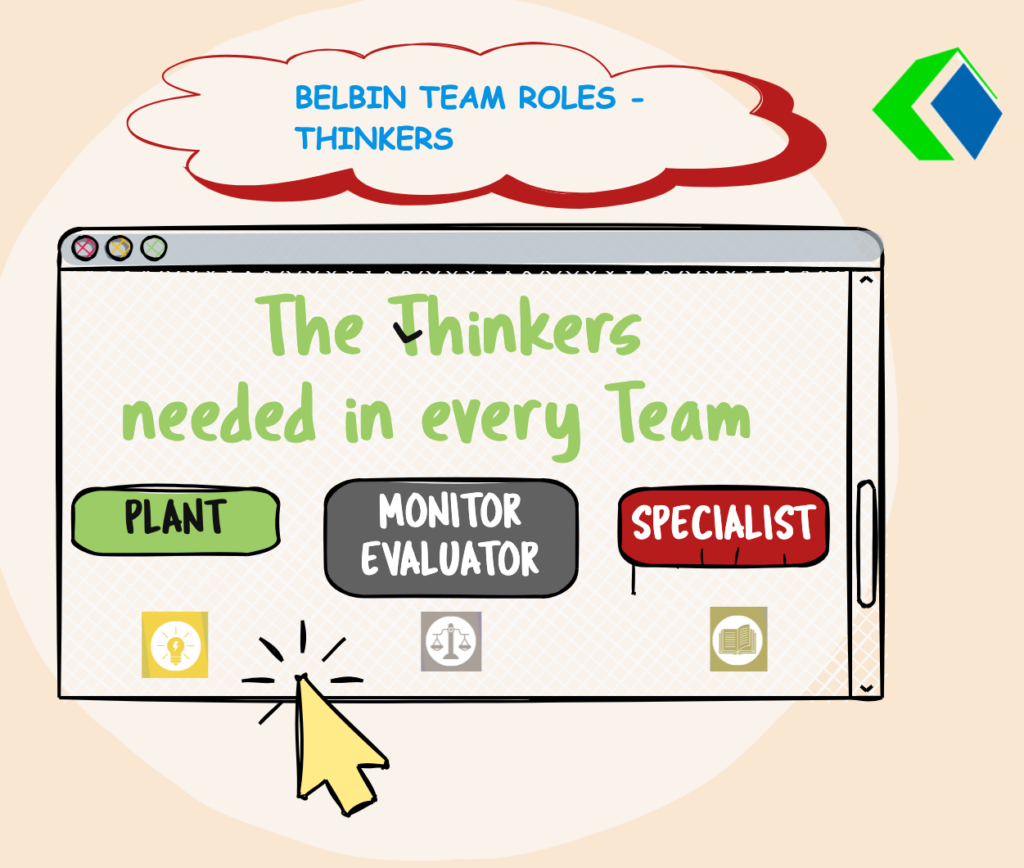
Belbin Team Role Theory, created by, Dr. Meredith Belbin, identifies nine distinct behavioural roles that individuals naturally gravitate toward within a team. Rather than focusing purely on technical skills, Belbin focuses on how people behave, contribute, and interrelate — making it one of the most practical and people-centred team assessment tools available.
For Singapore businesses operating at the intersection of global commerce and diverse multicultural workforces, this kind of behavioural insight is invaluable. The Belbin Team Roles OD Toolkit, available through Teamworkbound gives organisations a structured way to map their team’s strengths, close behavioural gaps, and set individuals up to do their best work.
Embedding Belbin Into Singapore’s Corporate Culture
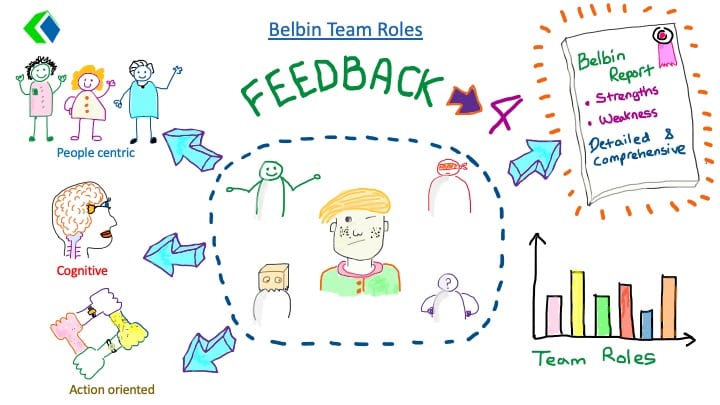
As demand for, high-performing teams, grows across Singapore’s banking, technology, healthcare, and government sectors, Belbin has become a trusted tool for HR leaders and people managers. Our [link: Belbin Team Roles program → training_programs/belbin/] begins with each participant completing an online Belbin Self-Perception Inventory and receiving a 360-degree report — a detailed profile of how they are perceived by colleagues, not just how they see themselves.
This objective data enables team leaders to allocate responsibilities strategically, avoid role overlap, and bring out the natural strengths of every individual — creating a culture of clarity, ownership, and mutual accountability.
Building Diverse, Innovative Teams in Singapore and Asia Pacific
Singapore’s position as an Asia Pacific business hub means teams are often cross-cultural, cross-functional, and geographically distributed. Belbin’s framework helps leaders curate teams with genuinely complementary strengths — not just a collection of specialists, but a balanced unit capable of creative problem-solving and execution.
Teams that fail to address behavioural imbalances often fall into the traps outlined in the, 5 Dysfunctions of a Team → model — from absence of trust to avoidance of accountability. Belbin provides the language and structure to address these dysfunctions before they take hold. Companies across Malaysia, Indonesia, and Thailand have worked with Teamworkbound to bring this approach to their cross-border teams, making Belbin a genuinely Asia Pacific solution.
Frequently Asked Questions About Belbin in Singapore
What are the 9 Belbin Team Roles?
The 9 Belbin Team Roles → belbin.com/about/belbin-team-roles] are: Plant, Resource Investigator, Co-ordinator, Shaper, Monitor Evaluator, Teamworker, Implementer, Completer Finisher, and Specialist. Each role represents a distinct behavioural pattern that contributes to team success in different ways.
How is Belbin different from DISC personality profiling?
While DISC personality profiling → focuses on behavioural styles in general, Belbin is specifically designed to measure team contribution — how an individual adds value in a group setting. Many Singapore organisations use both tools together for a comprehensive picture of their people.
Does Teamworkbound deliver Belbin workshops in Asia Pacific?
Yes. Teamworkbound is an accredited Belbin consultant based in Singapore and has delivered workshops and assessments for organisations across Southeast Asia, including Malaysia, Indonesia, and Thailand. Contact us → to discuss your team’s needs.
Belbin Team Role Theory has proven itself as one of the most effective, research-backed approaches to building cohesive, high-performing teams — and Singapore is at the forefront of its adoption in Asia Pacific. Whether you are leading a start-up, a multinational, or a government agency, the Belbin framework gives you a common language for understanding how your people work together and how to make them better.
Ready to explore what Belbin can do for your organisation? Contact Teamworkbound → contact-us to arrange a complimentary consultation, or explore our full Belbin Team Roles program → to get started today.
About the Author: Ebnu Etheris Ma.IDT, B.Hrd

Related Posts
- Categories: Belbin Team Roles, People analytics
Unlock team potential with Belbin's proven roles. Here understand the history and gravitas of how Belbin Team roles were formulated.
- Categories: Belbin Team Roles, People analytics
Go behind the scenes of a Teamworkbound Belbin Team Roles session in Singapore — from icebreaker to team placement, step by step.
Top 10 activities
This blog will showcase top 10 experiential activities that we have conducted in our training programs. Included are models associated with experiential learning, team dynamics, understanding personality and leadership. We will showcase crisp summary of good books we have read on this blog as well.
Ebnu Etheris
MA.IDT and B. Ed & Trn
Founder Teamworkbound
Magazine Feature
Personal Excellence Magazine (Aug 2014 issue) based in Canada featured our article.

Human Resources Magazine (July 2012 issue), featured Teamwork Bound views on what it takes to engage senior managers.
Our Evaluations
Blog articles
Get started with Teamwork Bound
Want to learn what Teamwork Bound can do for you? See for yourself with a free trial, tests and short in house speaking engagements. We will assure you that our program evaluations meet 85% percentile score, failing which we will not charge for our training sessions.