
Inside a Belbin Team Roles Workshop: What Great Facilitation Actually Looks Like
“Which Belbin role am I?” is usually the first question a team asks us. It’s also the least interesting one. When addressed by a Belbin facilitator.
The real value of a Belbin Team Roles session isn’t the label a participant gets on a report — it’s what happens in the room before and after that report is read: how a group moves from polite strangers to a team that understands why it works the way it does. At Teamworkbound, we’ve run this journey for corporate and government teams across Singapore, and we wanted to pull back the curtain on what a Belbin facilitation actually involves. Here’s the sequence, step by step.
1. Start with the room, not the report
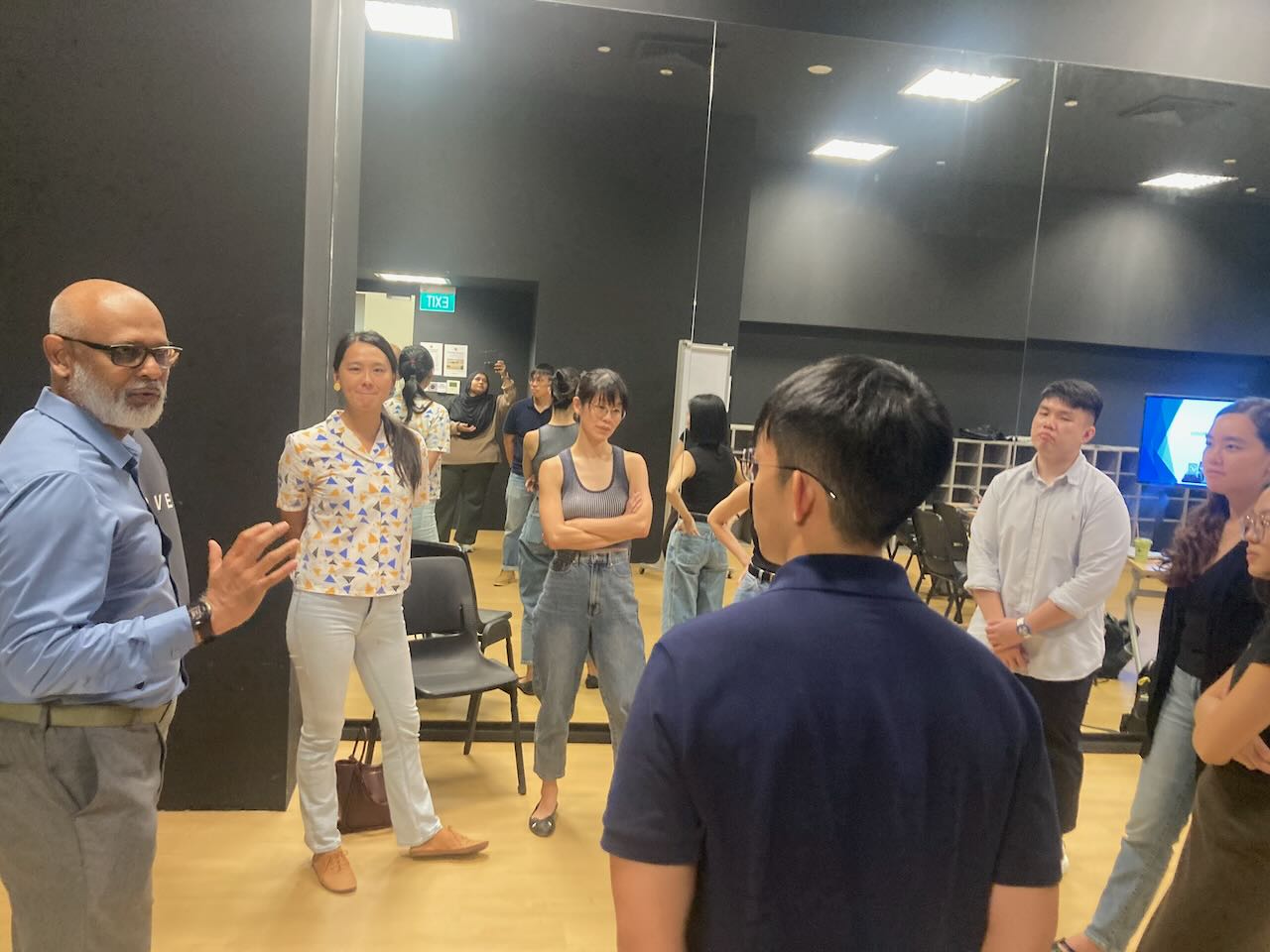
Before anyone sees a single data point, we get people standing, talking, and a little uncomfortable — on purpose. An icebreaker isn’t a warm-up act; it’s the first piece of diagnostic data we collect. How people default to leading, hanging back, joking, or organising in an unscripted moment often previews exactly what their Belbin report will confirm later. It also does the quieter job of building the psychological safety a team needs before they’ll honestly discuss their working styles with colleagues.
2. Set the context before the content, this helps
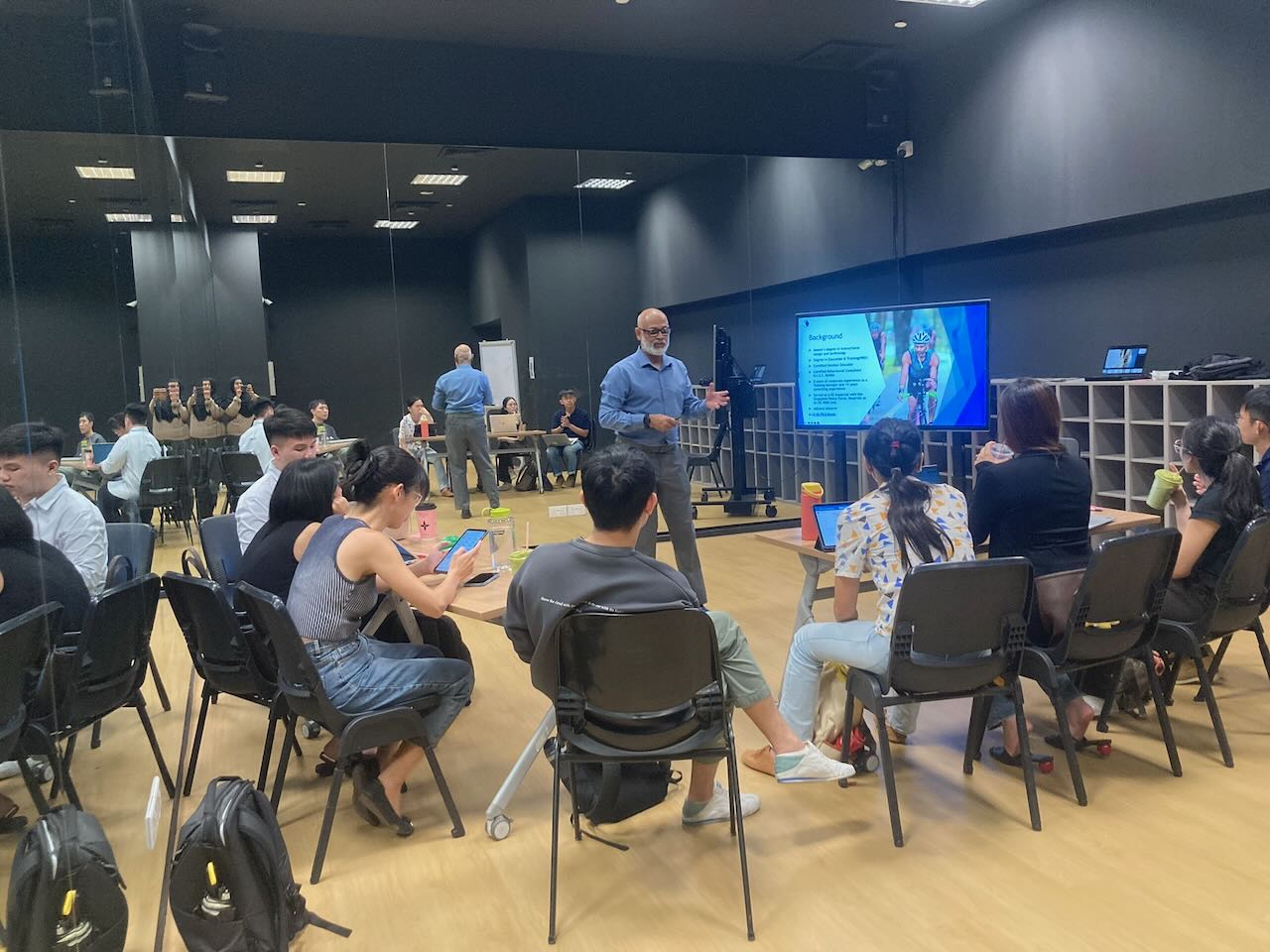
We walk participants through why Belbin Team Roles was originally developed — as a rigorous, evidence-based tool tracked against real business and financial performance over years of observation — rather than a generic personality framework. This matters especially for corporate and government audiences who are (rightly) skeptical of soft-skills tools until they see the underlying research.
3. Make the case with evidence, not just theory
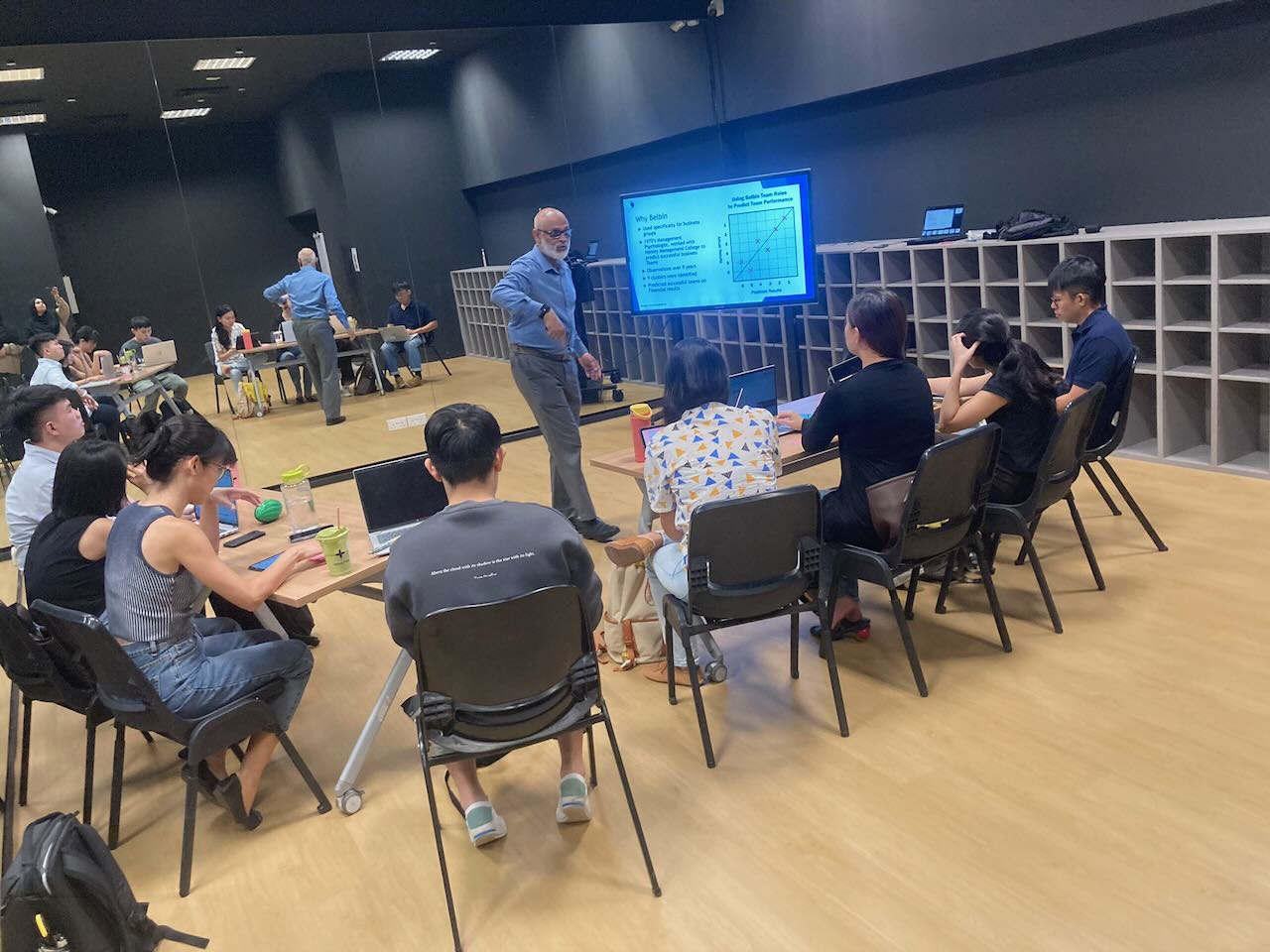
Only now do we introduce the nine Belbin Team Roles — the Plants, Shapers, Implementers, Completer Finishers, and the rest of the cast. Participants learn what each role contributes, what it overuses under pressure, and why every high-functioning team needs a spread of roles rather than a room full of the same strength. Share with the participants the business centric experiments that were conducted in Henly Business School.
5. Turn personal reports into personal. reflection
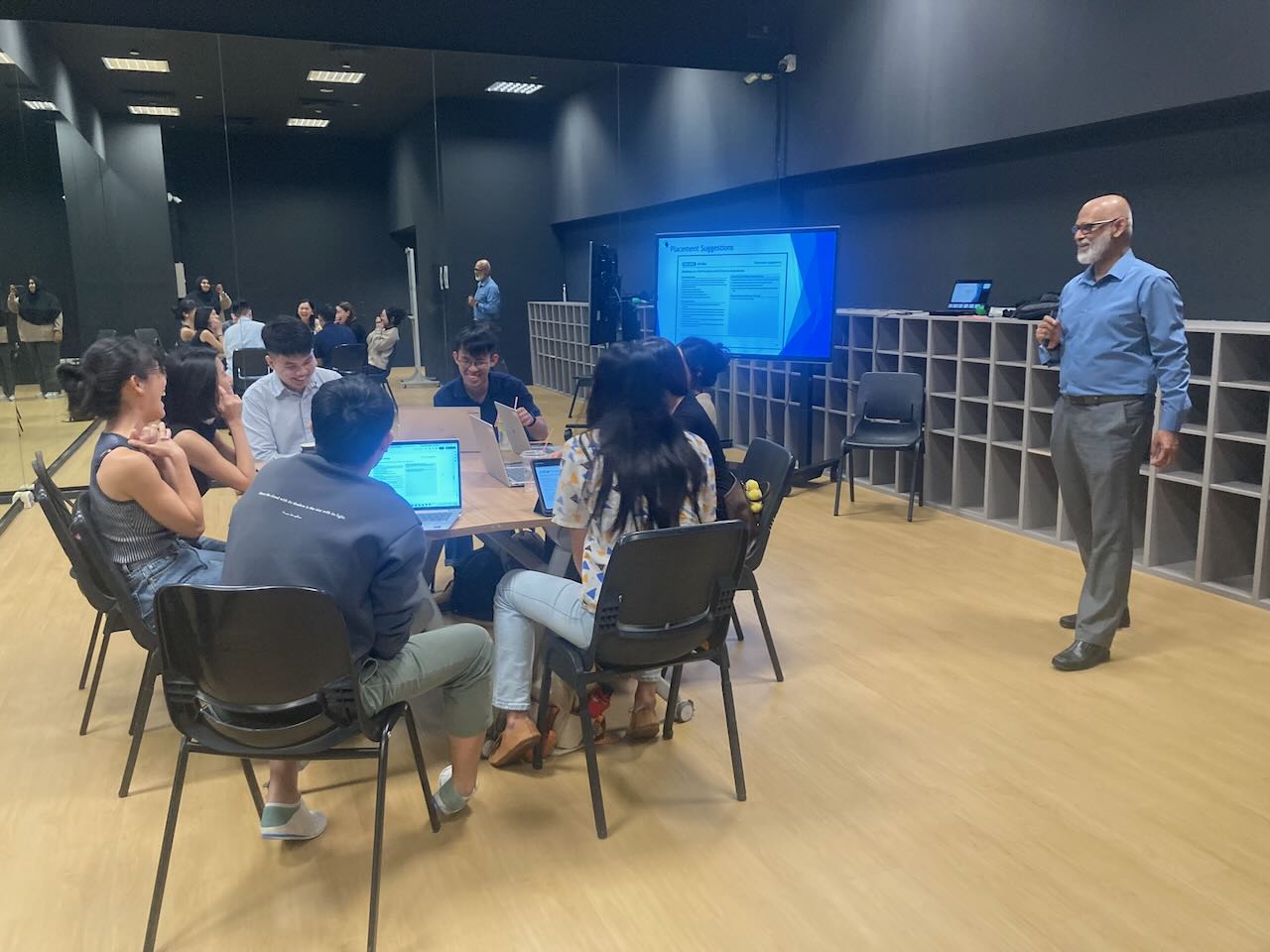
This is where it gets personal. Each participant reads their own Belbin report against two guiding questions: what insights do you draw from this, and what questions do you want addressed? We deliberately don’t just distribute reports and move on — reflection before discussion means people arrive at the small-group conversation with their own thinking already started, rather than performing an opinion on the spot.
6. Let the team do the real work
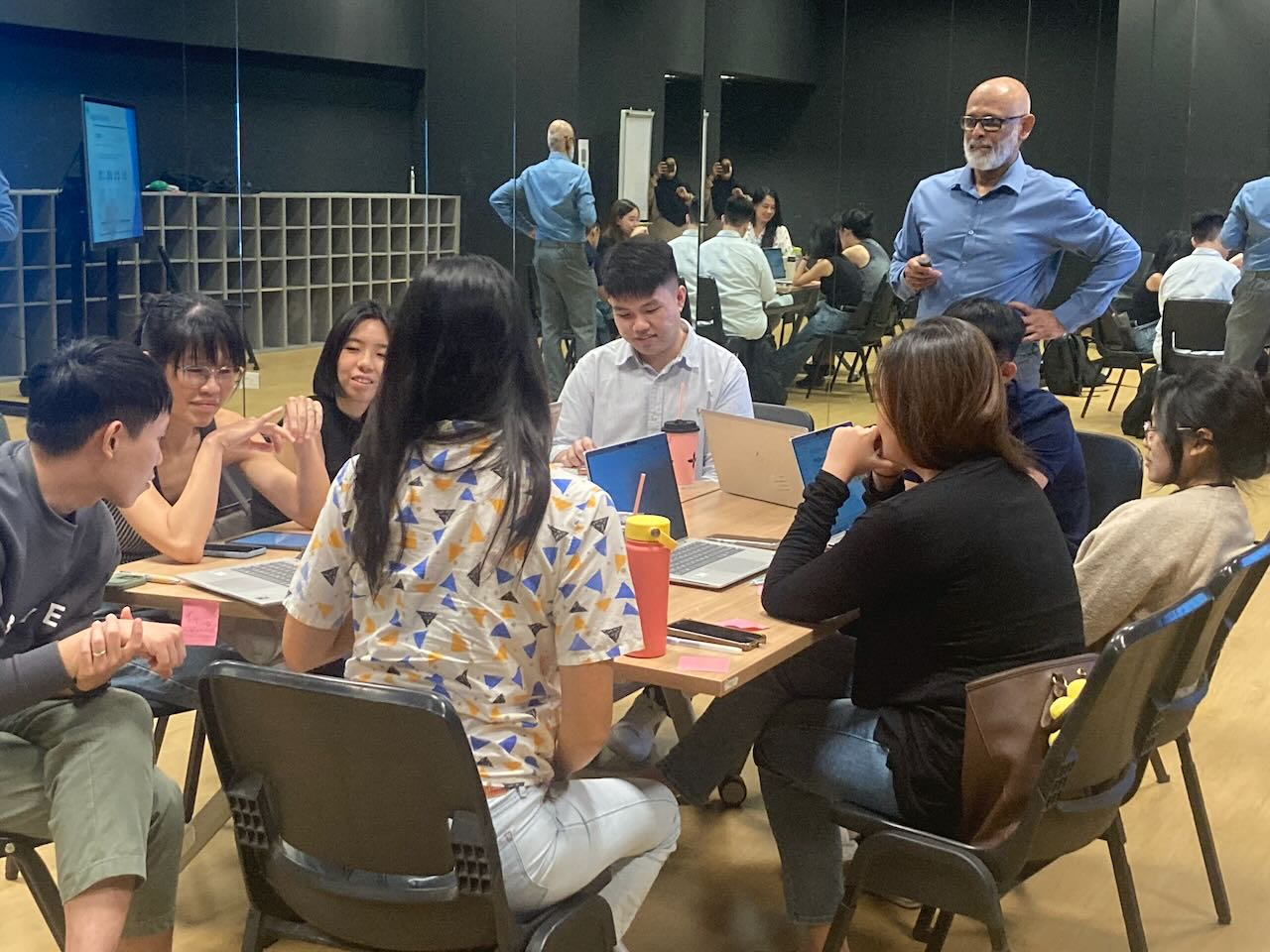
The richest part of the day happens in small groups, not at the front of the room. Teams compare reports, spot the gaps and overlaps in their collective role mix, and start connecting the framework to actual friction they’ve experienced on real projects. Our role as facilitators shifts here — from presenting to circulating, listening, and asking the questions that push the conversation from “interesting” to “useful.”
7. Close with action, not just awareness
A Belbin session that ends with self-awareness and nothing else is a missed opportunity. We close by working through placement suggestions — concrete guidance on how a team can deploy its role mix on upcoming projects, who might naturally lead which type of work, and where the team should watch for blind spots. This is the step that turns “I’m a Completer Finisher” from a fun fact into a decision-making tool the team actually uses.
Why this sequence matters
Any facilitator can hand out a Belbin questionnaire. What makes a program effective is the architecture around it — the trust-building, the evidence, the personal reflection time, and the disciplined translation of insight into action. That’s the sequence we bring to every engagement, whether it’s a strategy planning offsite, a leadership team reset, or a broader assessment programme combining Belbin with tools like Everything DISC, Big 5, or 5 Behaviours.
Looking to run a Belbin Team Roles session — or a broader team assessment programme — for your organisation in Singapore? Teamworkbound designs and facilitates these engagements for corporate and government teams. Get in touch to talk through what your team needs.
About the Author: Ebnu Etheris Ma.IDT, B.Hrd

Related Posts
- Categories: Belbin Team Roles, People analytics
Unlock team potential with Belbin's proven roles. Here understand the history and gravitas of how Belbin Team roles were formulated.
- Categories: Belbin Team Roles, People analytics
Discover how Belbin Team Roles training helps Singapore companies and government agencies build balanced, high-performing teams through structured facilitation.
Top 10 activities
This blog will showcase top 10 experiential activities that we have conducted in our training programs. Included are models associated with experiential learning, team dynamics, understanding personality and leadership. We will showcase crisp summary of good books we have read on this blog as well.
Ebnu Etheris
MA.IDT and B. Ed & Trn
Founder Teamworkbound
Magazine Feature
Personal Excellence Magazine (Aug 2014 issue) based in Canada featured our article.

Human Resources Magazine (July 2012 issue), featured Teamwork Bound views on what it takes to engage senior managers.
Our Evaluations
Blog articles
Get started with Teamwork Bound
Want to learn what Teamwork Bound can do for you? See for yourself with a free trial, tests and short in house speaking engagements. We will assure you that our program evaluations meet 85% percentile score, failing which we will not charge for our training sessions.