
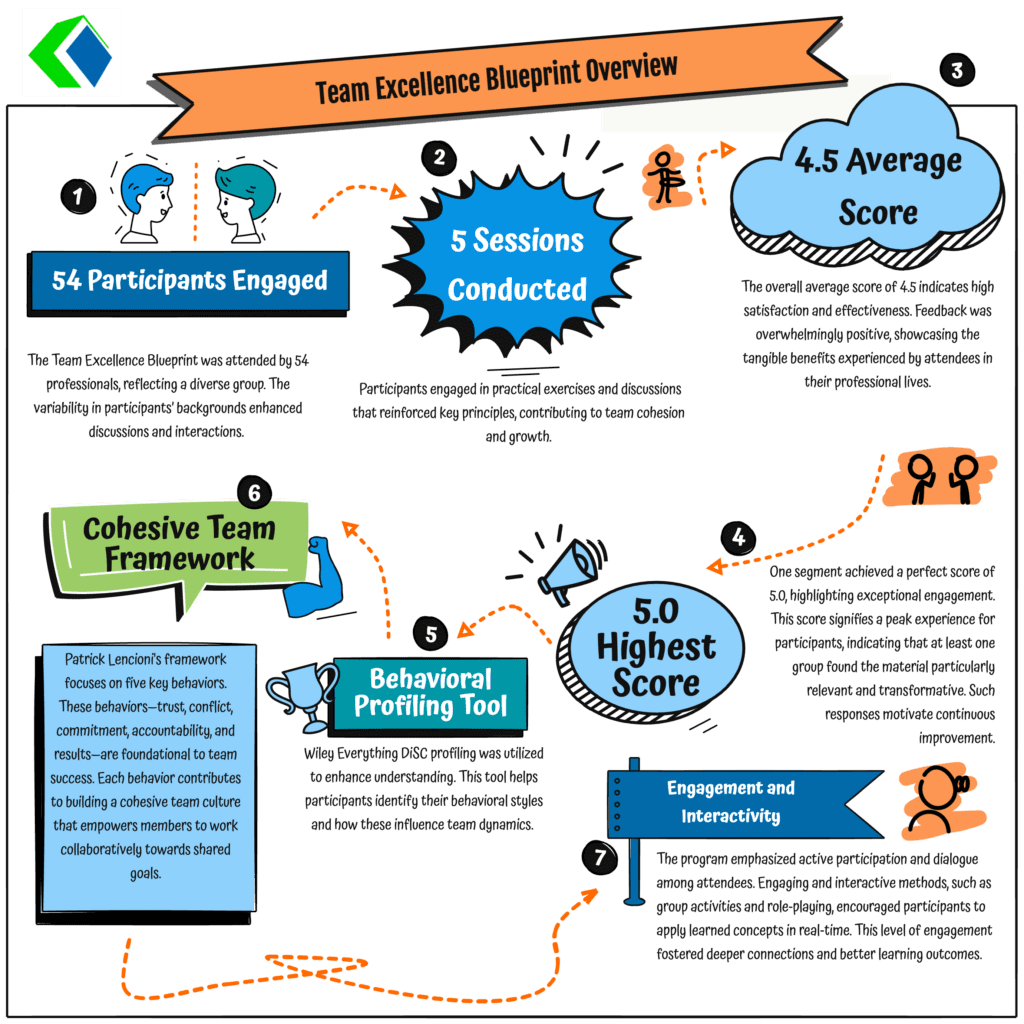
What Our Program Evaluations Really Tell Us
If you’ve ever sat through a program evaluation debrief and walked away feeling like you got a lot of numbers but not a lot of answers, you’re not alone. Evaluations can feel like a bureaucratic exercise — something we do because we’re supposed to, not because we genuinely expect to learn anything surprising. But when you dig beneath the surface of what those reports are actually saying, there’s often a richer, more nuanced story waiting to be told. This article explores what program evaluations are truly revealing to us and how we can turn those findings into meaningful, lasting improvements.
What Program Evaluations Actually Reveal to Us
Program evaluations do a lot more than confirm whether or not we hit our targets. At their core, they capture a snapshot of how a program is functioning within a real-world context — messy, complicated, and full of variables that no planning document ever fully anticipates. When we look at evaluation data with fresh eyes, we start to see patterns that tell us something genuinely useful about the people we serve, the systems we operate within, and the assumptions we’ve been making all along.
One of the most underappreciated things evaluations reveal is the gap between program design and program reality. A curriculum might be designed for weekly sessions, but evaluation data might quietly show that attendance drops off after week three. A service might be intended for one demographic, but participation records tell us that a completely different group is showing up consistently. These aren’t failures — they’re signals. They’re the program telling us who it’s actually reaching and how people are genuinely engaging with what we’ve built.
Evaluations also reveal organizational health in ways that leadership conversations sometimes can’t. When staff satisfaction data, participant feedback, and outcome metrics are all looked at together, you can often spot where a program is being held together by the dedication of a few individuals rather than by sustainable systems. That’s critical information. It tells you where burnout is likely to surface, where knowledge is siloed, and where a single staff departure could unravel something that took years to build. Good evaluations, read carefully, are almost like an organizational MRI.
Turning Evaluation Results Into Real Improvements
Getting from evaluation findings to actual program improvements is where most organizations struggle, and honestly, it’s the hardest part of the whole process. Data sitting in a report that no one reads is just expensive wallpaper. The real work begins when a team sits down together — not just leadership, but the people closest to delivery — and asks the honest question: what does this actually mean for how we operate tomorrow? That conversation, uncomfortable as it sometimes gets, is where transformation starts.
One practical approach is to categorize findings by the type of change they require. Some things you can fix quickly — a scheduling conflict, a communication gap, an unclear intake process. Others require deeper structural shifts, like rethinking how you measure success or retraining staff around a new service model. And some findings point to systemic issues that are genuinely outside your control, like policy environments or funding constraints. Knowing which category a finding falls into helps teams prioritize without feeling overwhelmed by the sheer volume of what an evaluation might surface.
Perhaps the most important shift an organization can make is moving from treating evaluations as a reporting requirement to treating them as a learning tool. That means building in regular touchpoints throughout the program cycle — not just a big review at the end — and creating a culture where questions are welcomed rather than feared. When staff know that evaluation data will be used to support them rather than to judge them, they engage with it more honestly and more generously. Using frameworks like the Coaching TGROW model can help facilitate these meaningful conversations. And that honesty is exactly what produces the kind of insight that leads to programs people actually want to participate in.
Program evaluations, at their best, are one of the most honest conversations an organization can have with itself. They cut through the optimism of planning documents and the enthusiasm of launch days to show us what’s actually happening on the ground. The question is never really whether the data is useful — it almost always is. The question is whether we’re willing to listen to what it’s telling us and brave enough to act on it. As research from Center for Creative Leadership confirms, organizations that embrace data-driven decisions and foster continuous learning are better positioned for sustainable success. If we can commit to that — and ensure that leaders drive culture that values honest feedback — evaluations stop being something we endure and start being something we genuinely look forward to. And that’s when programs stop being good on paper and start being good in practice.
About the Author: Ebnu Etheris Ma.IDT, B.Hrd

Related Posts
- Categories: Experiential learning, Growth and culture
Traditional games strip away job titles and hierarchy. In our 5-session facilitation series with Mitsubishi, teams moved from just completing tasks together to genuinely understanding how each person thinks and contributes — especially once we paired the games with tools like Belbin, DISC, and 5 Behaviours.
- Categories: Experiential learning
This blog article showcases 2 experiential models that you can use to design impactful learning programs. From KOLB's learning cycle to what it take to score high for your program evaluation.
Top 10 activities
This blog will showcase top 10 experiential activities that we have conducted in our training programs. Included are models associated with experiential learning, team dynamics, understanding personality and leadership. We will showcase crisp summary of good books we have read on this blog as well.
Ebnu Etheris
MA.IDT and B. Ed & Trn
Founder Teamworkbound
Magazine Feature
Personal Excellence Magazine (Aug 2014 issue) based in Canada featured our article.

Human Resources Magazine (July 2012 issue), featured Teamwork Bound views on what it takes to engage senior managers.
Our Evaluations
Blog articles
Get started with Teamwork Bound
Want to learn what Teamwork Bound can do for you? See for yourself with a free trial, tests and short in house speaking engagements. We will assure you that our program evaluations meet 85% percentile score, failing which we will not charge for our training sessions.